Environment2 min
Supreme Court allows green crackers on Diwali in Delhi-NCR, two slots only
Light your sparklers by the clock: the court has set two short windows on Nov 7 and 8, but polluting crackers stay off limits.
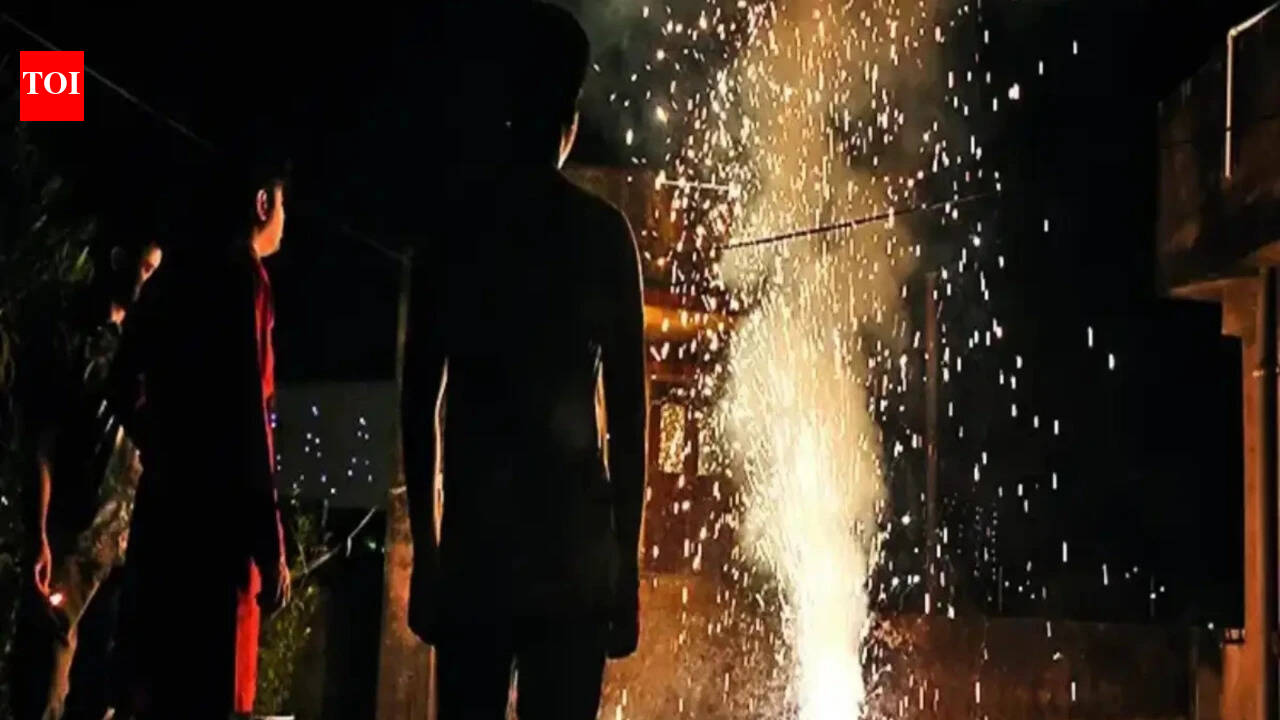
The Supreme Court has allowed green firecrackers in Delhi-NCR on Nov 7 and 8, but only between 6am and 7am and again between 8pm and 10pm. The order came on Monday from a bench of Justices M M Sundresh and Prasanna B Varale. The court allowed the same timings last year.
The bench acknowledged that Deepawali carries religious, social, psychological and emotional weight for many people. It also said the right to follow a religious practice is a qualified one and must give way to constitutional limits, including public health. It noted that the right to life covers a pollution-free environment.
The court did not impose a blanket ban. It said it lacks enough data right now to decide whether a total ban would solve the pollution problem. All parties agreed, it noted, that firecrackers add heavily to pollution in Delhi-NCR.
Here is what changes for buyers and sellers. District collectors and commissioners, working with police chiefs, must designate specific sale points in the NCR. Selling crackers anywhere else is prohibited, and online sales are banned. Manufacturers and traders in the region must put up a substantial security deposit, which will be forfeited if they break the court's directions.
The product rules are strict too. Firecrackers joined in series, known as ladis, and garlands cannot be made or sold. Crackers containing barium, or any not approved as green by CSIR-NEERI, are not allowed. Police and administrators must keep polluting crackers out of Delhi and act against those who deal in them. The existing curbs on manufacture and sale in the capital continue after Diwali.
The court pointed to the people most at risk from smoke, noise and waste: children, disabled people and the elderly. For families, the message is simple. Check that the packet carries the green approval, stick to the time slots, and expect enforcement.
Read the original report: Times of India.