Business2 min
Sebi chief Pandey sets out hurdles for Calcutta Stock Exchange revival
Bengal's plan to bring back the century-old exchange faces a tougher test than a licence alone: it must attract trading, pay for technology and prove it can survive.
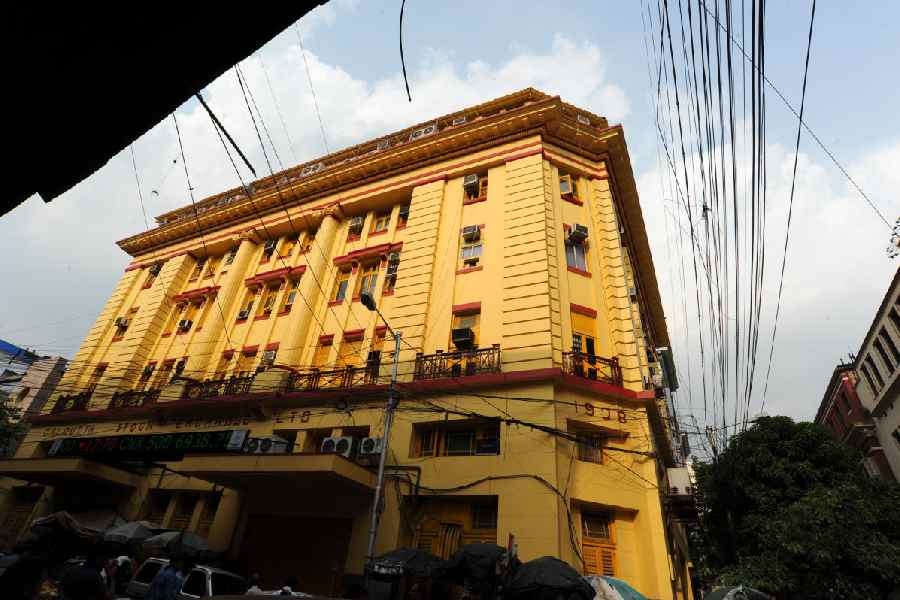
Sebi chairman Tuhin Kanta Pandey has laid out the conditions the Calcutta Stock Exchange would need to meet if it is to come back to life. Speaking on Saturday, he said the revival depends on three things: attracting enough trading volume, building a business model that can pay its way, and spending heavily on technology.
The question came up in the context of the West Bengal government's proposal to revive the exchange. Pandey said the current rules do not block the creation of new stock exchanges. Any new player, however, would have to satisfy governance and capital requirements before it could open for business.
He also pointed out that the market has changed a great deal since regional exchanges were a common feature of India's financial map. Electronic trading now lets an investor in any town place an order on any exchange. That makes the old advantage of being physically close to brokers far less important. In Pandey's words, having an exchange is one thing, and making it feasible is another.
Liquidity is the biggest test. Promoters would need to show that enough buyers and sellers would actually trade on the platform to keep it running. Without that flow of orders, even a well-built exchange would struggle to stand out against the NSE and BSE, which dominate the market.
Technology is the other pressure point. Pandey warned that exchanges need steady, large investment in systems, and those costs are rising as new risks emerge, including those linked to artificial intelligence. For a revived exchange, that means paying for modern infrastructure from day one rather than treating it as an upgrade for later.
The timing adds context. The Calcutta Stock Exchange asked for a hold on its exit application in July, after the state announced plans to revive it in its budget. Trading there has been suspended since April 2013 because of regulatory compliance problems. For investors and the state alike, the message is that a licence is only the starting point. The exchange will have to prove it can attract business and compete in a market that has moved far beyond its home region. Read the original report in The Telegraph.
FiledArtificial IntelligenceWest BengalWhatsAppKolkataGoogleRupee