Microsoft bets on homegrown AI chips to cut Nvidia dependence: What we know | Mint
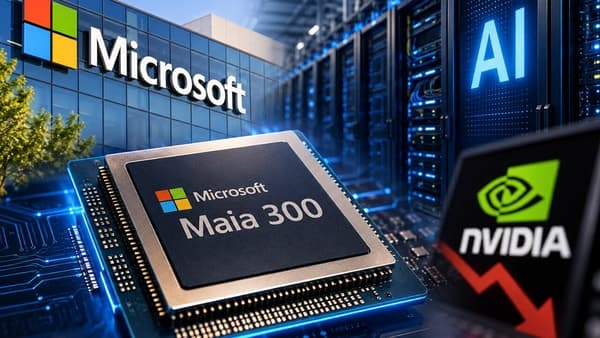
Microsoft plans to deploy its Maia 300 AI chips at gigawatt scale from next year, aiming to reduce reliance on Nvidia. The company expects the chips to deliver 40% more tokens per megawatt than leading GPU-based systems. Microsoft Corp. is gearing up to install the latest versio
Microsoft plans to deploy its Maia 300 AI chips at gigawatt scale from next year, aiming to reduce reliance on Nvidia. The company expects the chips to deliver 40% more tokens per megawatt than leading GPU-based systems. Microsoft Corp. is gearing up to install the latest version of its own chips in data centers, with the aim of powering its AI software using mostly homegrown hardware. The company expects to stock multiple gigawatts of its Maia chips in its server farms, with the newest iterat
Microsoft plans to deploy its Maia 300 AI chips at gigawatt scale from next year, aiming to reduce reliance on Nvidia. The company expects the chips to deliver 40% more tokens per megawatt than leading GPU-based systems.
Microsoft Corp. is gearing up to install the latest version of its own chips in data centers, with the aim of powering its AI software using mostly homegrown hardware.
The company expects to stock multiple gigawatts of its Maia chips in its server farms, with the newest iteration, the Maia 300, starting to roll out next year, Microsoft said on Monday. The semiconductors are designed to handle inference -- using an AI model for tasks such as summarizing a conference call or producing answers to a research question.
Microsoft is betting that by tailoring chips to its own data centers, it can run inference more efficiently and avoid some of the expense of stocking Nvidia's market-leading graphics processing units, which power most of that work at Microsoft today.
"We are confident we have built the best product for these workloads," said Rani Borkar, the Microsoft executive who oversees data center hardware, including the chip design teams. "We are backing that confidence by deploying Maia at gigawatt scale starting next year."