Lula's Unlikely Brazil Comeback Puts the Economy, Not Ideology, in the Spotlight
Brazil's incumbent president overturned a first-round deficit, but his fourth term starts with inflation, high interest rates and nervous investors.
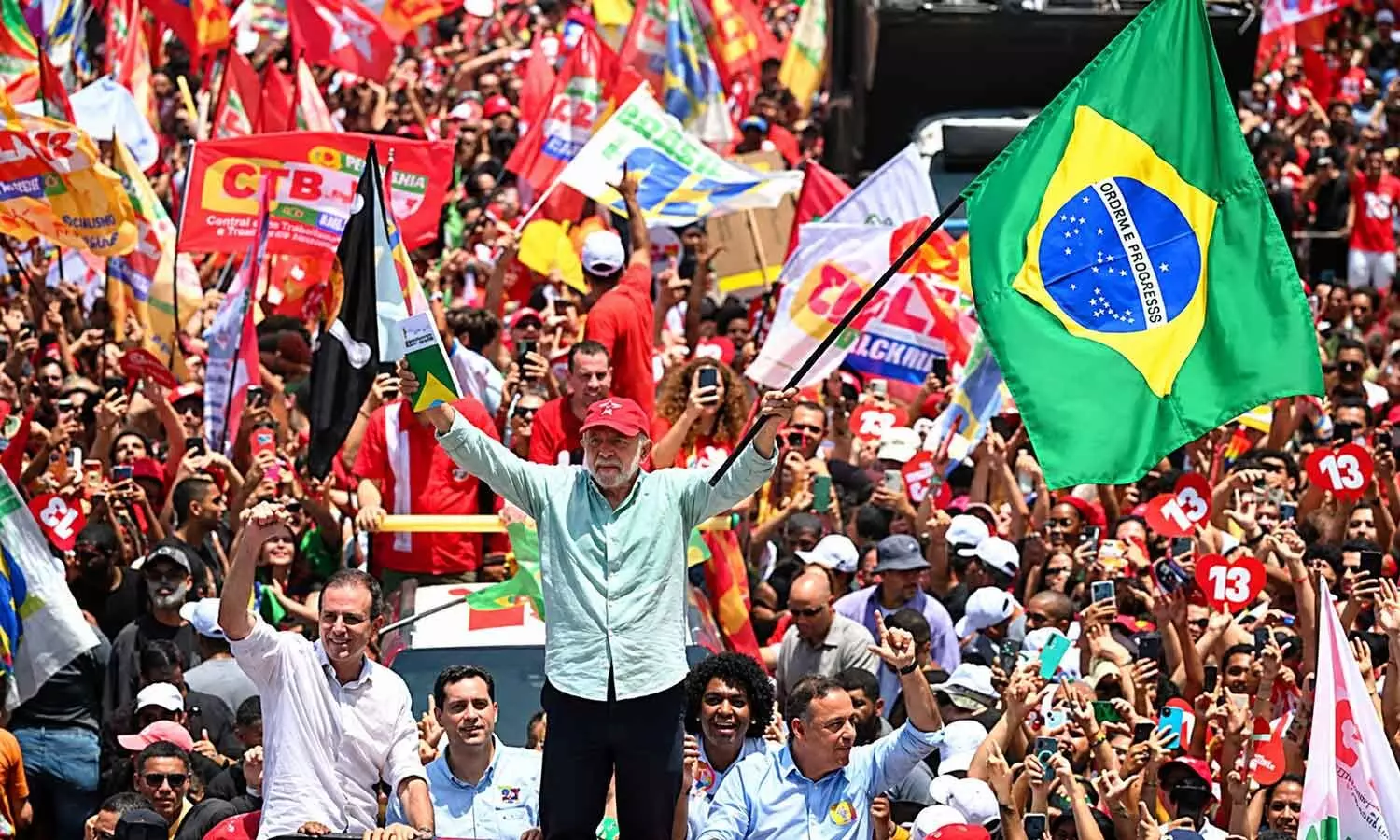
Brazil's President Luiz Inácio Lula da Silva has pulled off a comeback that few expected. He trailed his rival, Flávio Bolsonaro, after the first round of voting and still went on to win. No presidential candidate in the country has previously won after losing the first round, which makes the result unusual by any measure.
The outcome has not settled the political mood. Flávio Bolsonaro, son of former president Jair Bolsonaro, has refused to accept the result and called for it to be annulled. Lula's Liberal Party has accepted the outcome, but fraud claims are already circulating. US President Donald Trump described the vote as looking "like another rigged election," and Bolsonaro supporters have pointed to a late decision by Supreme Court Justice Cristiano Zanin to extend voting by two hours nationwide. They also note that Zanin once worked as Lula's lawyer.
The economy may be the bigger story. Lula's voter appeal has been uneven, and Brazil's performance under his leadership has not impressed many people. Business leaders reacted with unease when the result was announced. His new term begins in January, and he will face familiar pressures: loose fiscal policy, high interest rates, persistent inflation, rising government spending, strained small businesses and weak investor confidence. Commentators argue that many of Brazil's problems trace back to populist economic policy, regardless of which side is in power.
Serbia tells a similar story with a different ending. President Aleksandar Vučić conceded defeat after the Student List won the parliamentary election. The movement grew out of student protests and backed a mix of professionals and civil society figures rather than a conventional party machine. Its lead candidate, Ilija Srdanović, is a 56-year-old cardiologist and university professor. Analysts say Serbia's new government will still need to address the grievances that fuelled the protests, though the country's fiscal record is less troubling than Brazil's.
Reading both results as a global collapse of the right would be a mistake. Voters tend to focus on concrete issues such as inflation, jobs, immigration, public safety and how well incumbents have governed. Trump faces midterm polls, Israeli Prime Minister Benjamin Netanyahu faces voters at home, and French voters will soon weigh Marine Le Pen's rising appeal against President Emmanuel Macron. Each of those contests will hinge on the same question: which leaders can deliver results without losing their base.
For readers, the lesson is practical. A left or centrist win does not guarantee lasting support, especially when prices stay high and growth stalls. Lula's fourth term will be judged less on ideology than on whether borrowing, interest rates and inflation come under control. For Brazil's businesses and households, that is the number to watch.
Source: The Hans India editorial on Brazil and Serbia election results