Culture2 min
Lucknow, in its own words: 43 things the City of Nawabs wants you to know
A Times of India feature imagines Lucknow as a narrator, and its list of 43 points offers a slow, sensory guide to a city balancing old courtesy with new ambition.
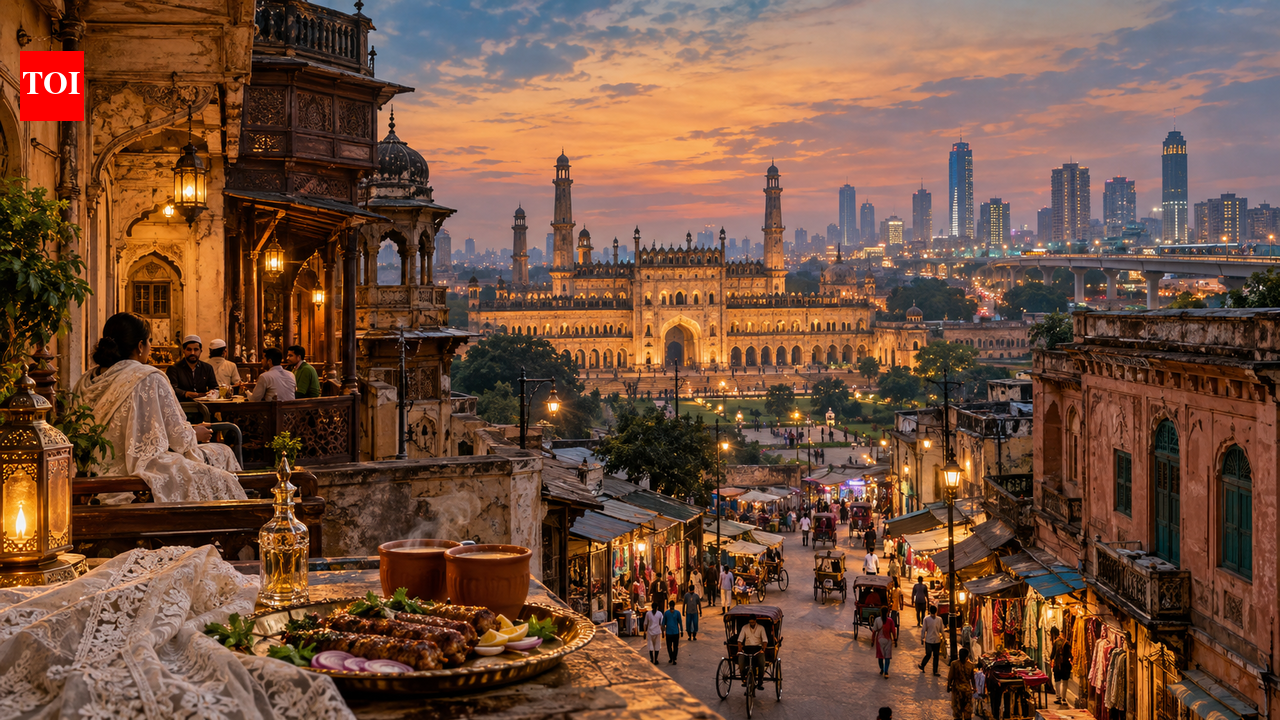
Lucknow is speaking, at least on paper. A recent feature from the Times of India gives the capital of Uttar Pradesh a voice and lets it list 43 things it would like visitors and residents to understand. The piece is written as a personal monologue, but it works as a practical introduction to a city that rarely rushes to make its case.
The city's pitch starts with contrast. Lucknow describes itself as a place where old-world grace meets new ambition, where the scent of attar drifts through old markets and a well-cooked kebab can stop you mid-conversation. Its bazaars still run on familiar rhythms, with long chats, unhurried tea and a courtesy that locals treat as a point of pride. Yet the same voice admits that towers, flyovers, cafes and universities are reshaping the skyline, and that young entrepreneurs are building careers far beyond the traditional image of nawabs and poets.
The list then turns practical. It urges visitors to look up, because the architecture rewards anyone willing to slow down: balconies, arches, weathered doorways and intricate doors tell stories that signboards hide. It points to the Bada Imambara and its famous Bhool Bhulaiya as places that are best experienced in person rather than through a photograph, and it describes the Rumi Darwaza as less a gateway than an announcement. Food gets its own chapter. The galouti kebab is the headline act, but the menu also includes biryani, nihari, kulcha, chaat, kheer and malai, all part of a food culture that deserves more than a single dish.
Why does this matter to a reader planning a weekend trip or simply curious about the city? Because the feature reframes Lucknow as a place that changes its pace rather than its personality. For travellers, it is a reminder to build in time for conversation, wandering and tasting before judging. For locals and former residents, it is a reminder that tehzeeb, the city's celebrated manners, remains part of how Lucknow presents itself even as it modernises.
The feature also shows how a city can use storytelling to shape its image. Instead of a dry listicle of monuments, the piece leans on mood, memory and everyday habit, from the family recipe passed down through generations to the evening spent without a destination. That approach makes the list easy to read and easy to share, and it gives anyone heading to Lucknow a clear set of things to notice.
The original feature is worth reading in full for its complete list of 43 points. Read the full Times of India feature on Lucknow.