Lifestyle2 min
Ketul Surati ditches US green card wait, moves family home to Ahmedabad
After nearly a decade in America and a vice-president title, Surati chose a Shantigram home and a joint-family upbringing for his daughter over an open-ended immigration queue.
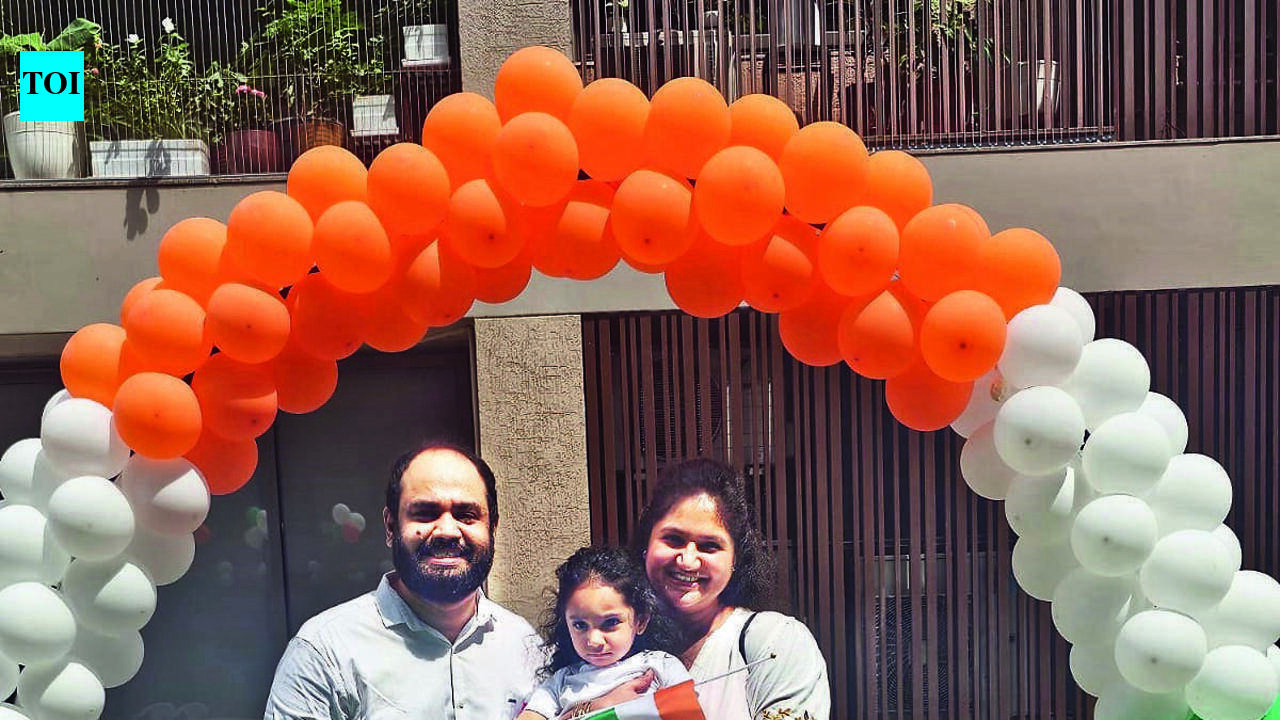
Ketul Surati had the American career many people dream of. He spent almost ten years in the US and rose to vice-president at a global financial services giant. In December 2025, he packed up anyway and moved back to Ahmedabad with his wife Saloni and their three-year-old daughter Aarya. The family now lives in Shantigram, and he works for a major IT multinational in India.
The trigger was a question he couldn't answer: when would his green card come through? Surati says the rules kept shifting even after years of effort, and he began to doubt that staying longer would pay off. "That was the trigger," he says.
Family pulled just as hard. Surati first went to the US for a master's degree, then stayed for work. Yearly trips home in December or January were no substitute for living near relatives. He wants Aarya to grow up with the culture and values he knew, and he believes a joint-family childhood shapes a child's development. On pay, he says he has "managed a good one" compared with his US package, even though the figure has changed significantly.
Home has changed too. His first Navratri in Ahmedabad in a decade stunned him with its scale and spending. Saloni, who worked in talent sourcing and recruitment in the US, has paused her career for now. She notes that socialising in America mostly meant weekends, while in Ahmedabad it happens all the time. The couple do miss the US respect for law and order. They do not miss tracking visa rule changes, consulting immigration experts or booking stamping appointments.
The Suratis are not alone. Several Indian professionals are heading back after years abroad, for reasons that include ageing parents, children's upbringing and business opportunities at home. Tejas Patel, who finished his engineering degree in 2005 and moved to the US in 2010, returned to Ahmedabad in June 2026. He first withdrew his green card application, saying he simply decided he wanted to live in India. He now lives in Ambli.
The backlog explains much of the frustration. The H-1B work visa has a worldwide annual cap of 85,000, with no separate quota for Indians. Employment-based green cards face country-specific limits, generally around 7% of the combined yearly family and employment preference allocation, with exceptions. The State Department's November 2026 Visa Bulletin lists final action dates of November 1, 2013 for Indians in EB-2 and January 22, 2014 for EB-3.
Policy turbulence adds to the uncertainty. The Trump administration brought in wage-weighted H-1B selection and announced a pause on green card labour certification processing involving eight major technology companies in October 2026. A $100,000 fee on certain new H-1B petitions, imposed in September 2025, remains blocked by federal courts even though it was extended until September 2027.
Read the original report on The Times of India.
FiledArtificial IntelligenceUnited StatesDonald TrumpAhmedabadGujaratIndia