Karnataka's worst monsoon in 55 years leaves farmers and reservoirs running dry
India's 2026 monsoon ended 12.6% short, and the national averages hide the farmers, aquifers and workers who paid the price.
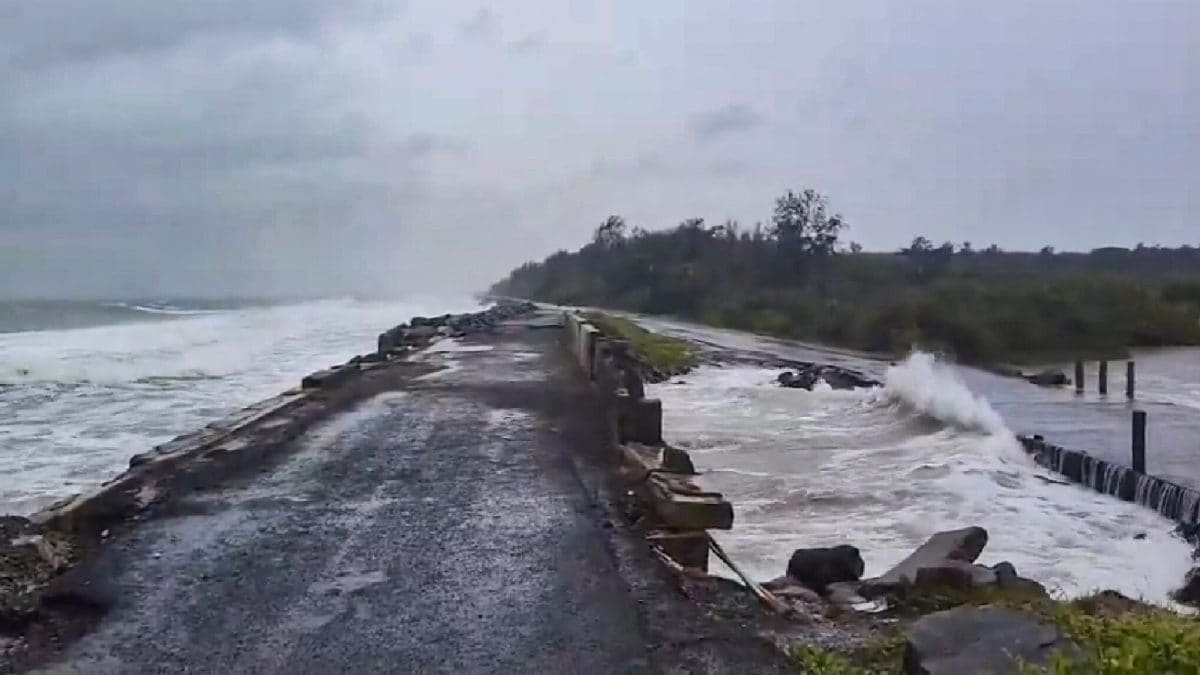
India's 2026 Southwest monsoon has ended with 759.4 mm of rain, 12.6% below the normal 868.6 mm, according to the India Meteorological Department. It is the first deficient monsoon since 2015 and the 13th-lowest since records began in 1901. Karnataka took one of the hardest hits, with a 35% shortfall that the source analysis calls its worst monsoon in 55 years.
The national numbers look calmer than the season felt. Total crop area, at 1,107 lakh hectares, is slightly above the five-year seasonal average of 1,104 lakh hectares, and paddy acreage is down only 3.6% from last year. That is why officials keep calling the season "manageable". But averages smooth over sharp local pain. A farmer in Mysuru got 172 mm of rain against a normal 419 mm, and no national total records what that did to his crop or the groundwater under his land.
The damage was also lopsided across regions. June, the sowing month, was 39.8% below normal. East and Northeast India had their driest monsoon since 1901, and South India its driest since 2002. Odisha went the other way, with its wettest monsoon in 20 years and a 29% surplus.
The bill is still coming due. As rabi sowing begins, 107 of India's 146 major reservoirs hold less than 40% of their capacity. Farmers who can't count on canals or rain turn to borewells, and India already draws about 241 billion cubic metres of groundwater a year, more than the US and China combined, at roughly 38% irrigation efficiency. In Punjab, a Punjab Agricultural University study found the water table has fallen from 4.82 metres in 1972 to more than 21 metres in 2025.
Crop insurance and relief schemes have softened the blow. The Pradhan Mantri Fasal Bima Yojana has paid out ₹1.92 lakh crore in claims to over 23 crore farmers since 2016, and micro-irrigation and millet promotion are easing the pressure on water. But none of these pays for a drained aquifer, and GDP doesn't dip when the water table does. A Nature Communications study links MSP-backed procurement to a 30% overproduction of water-intensive crops, and says Punjab's rice procurement may explain at least half of its groundwater loss over 34 years.
Heat is the other hidden cost. The Lancet Countdown report put India's heat-related loss at 247 billion potential labour hours, equal to $194 billion in income. Economists estimate that each 1°C rise in daily mean temperature cuts informal workers' daily earnings by 16%. A University of Chicago estimate warns that the current Super El Niño could cause about 451,000 excess heat deaths worldwide between September 2026 and February 2027, around 15,800 of them in India. That figure counts only direct heat deaths, not those from drought, groundwater loss or lost livelihoods.
There is a possible fix on paper. MoSPI has launched its Strategy for Environmental Economic Accounts 2026-2030, a five-year programme to bring groundwater depletion, soil degradation and ecosystem services into the national accounts next to GDP. If it works, a bad monsoon would finally show up as a loss on the books, not just in a farmer's field. Read the original analysis at The Hans India.