Health2 min
India's draft lab animal rules would let strays and market animals into experiments
A critic who once inspected a government medical institute's animal house says the proposed rules strip out the safeguards that exist because inspectors saw real abuse.
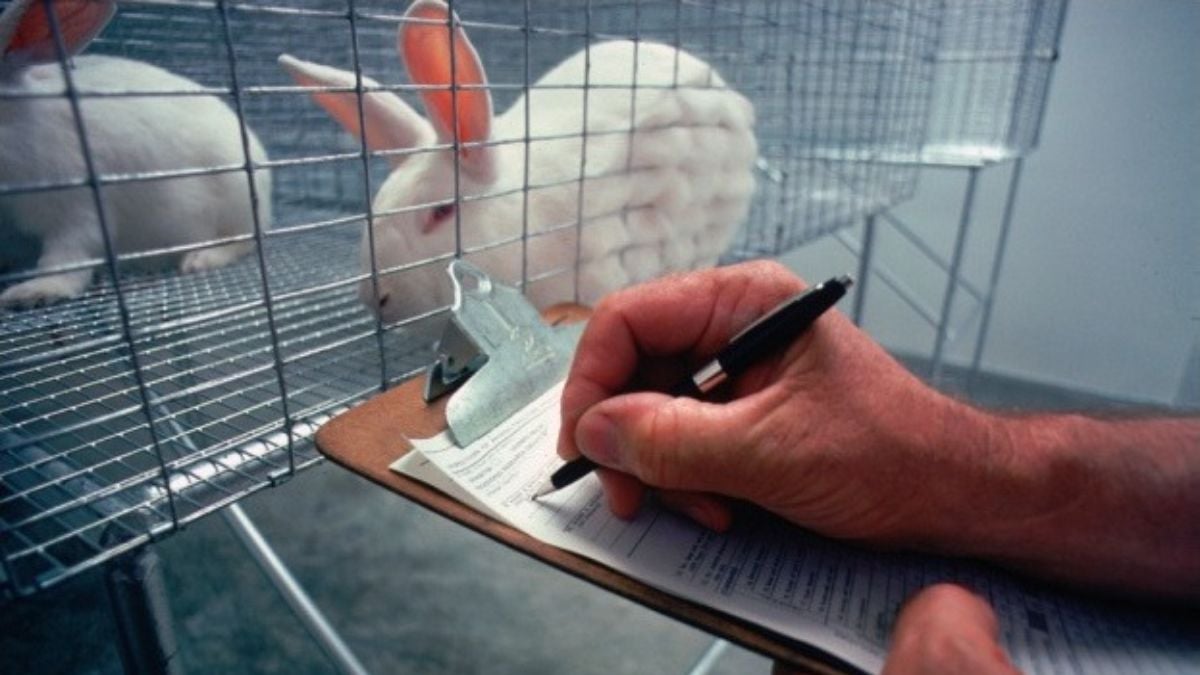
India's newly published draft rules on animal experimentation would loosen the checks on where laboratory animals come from, according to an opinion piece in ThePrint. The draft would allow stray animals to be used with permission from an authority it does not clearly name. It would also let labs buy farm animals, birds and fish from unregistered sources, including open markets, with institutional approval.
That matters because the current system exists for a reason. The Prevention of Cruelty to Animals Act of 1960 already said researchers could not police themselves. It set up a committee to oversee experiments, asked labs to prefer smaller animals where possible, and told them to avoid animal tests when other methods would do. Those ideas line up with today's "3Rs" of science: Replace animals, Reduce their numbers, Refine methods to cut suffering.
The writer, who was authorised to inspect labs, describes what happens when oversight is thin. In 2011, at a medical institute in Uttarakhand, the writer found filthy cages, contaminated food and water, missing records, and rabbits with untreated skin disease and fractures. Animals that survived experiments were reportedly given to sweepers to dump in a forest. On a later visit, the writer found a freshly killed king cobra in the toxicology lab. After the report, the national oversight committee ordered the institute to halt animal experiments until it fixed the problems.
Later rules answered failures like these. Labs had to register. Animals had to come from registered breeders, so their origins could be traced. Experiments on larger animals needed approval from the central committee. The writer's argument is simple: each rule responds to something inspectors actually saw.
The draft, the writer says, praises the 3Rs while weakening the tools that make them enforceable. Without traceable sources, no one can easily check where an animal came from, how it was treated, or whether an experiment was justified. A street dog, the writer notes, can vanish without anyone knowing where it went.
The piece also raises a second worry: who gets the final say. The Act envisaged a central committee to oversee experiments, and the writer questions whether the draft keeps that oversight independent. The source text breaks off before spelling out where authority would move, so readers should check the draft itself for the details.
The writer draws a comparison with the United States, where public outrage over lost and stolen pets helped produce its first federal law on laboratory animals. That law set rules on sourcing and housing. Why, the writer asks, would India reopen a door other countries were shamed into closing?
Read the full opinion piece at ThePrint.
FiledIndia