Business2 min
Elon Musk's Tesla and SpaceX lose $120 billion after Democrats win Texas
Investors dumped shares in Musk's two flagship companies as Democratic wins in his home state raised fresh questions about oversight, a possible merger and where his empire can safely sit.
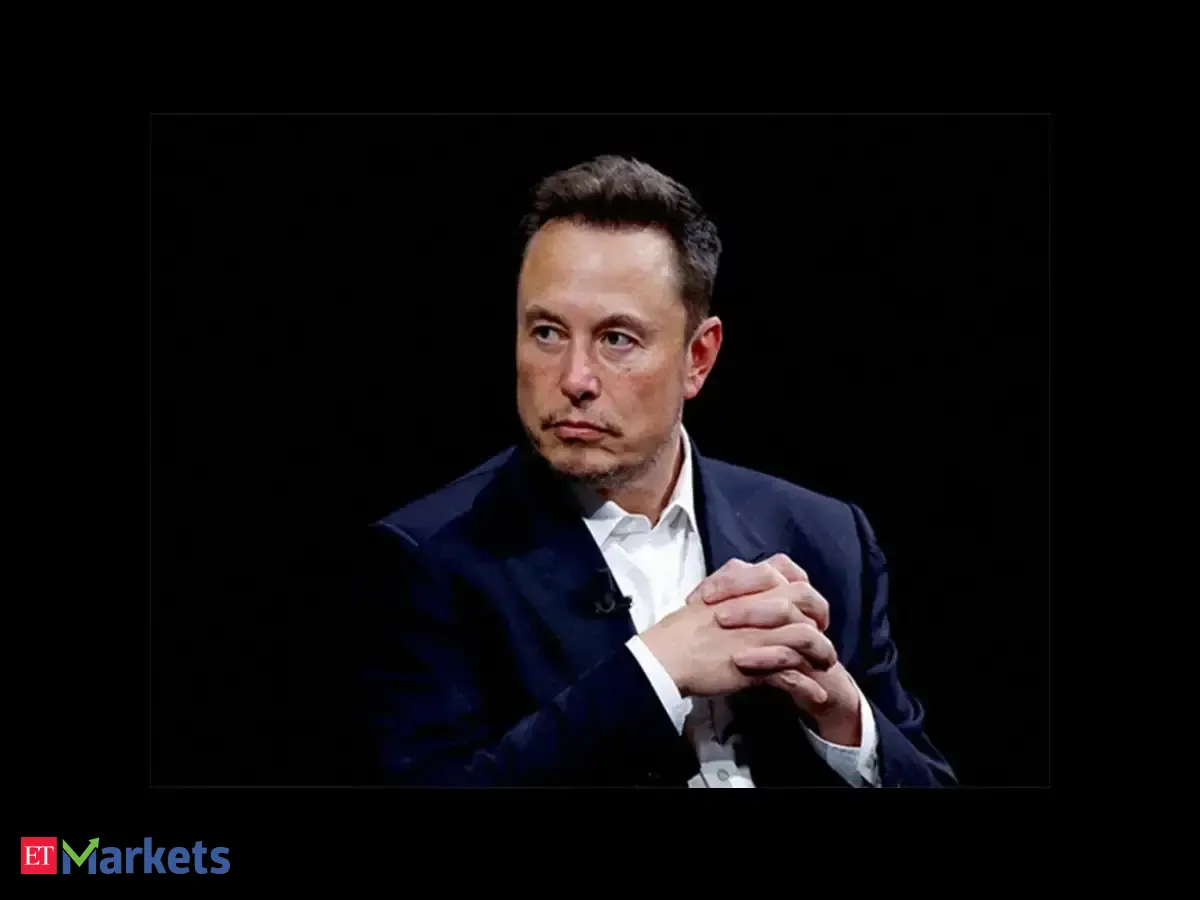
Elon Musk's companies took a hit on Wall Street on Wednesday. Tesla shares fell 2.4% and SpaceX shares fell 4.9% after Democrats won the Texas governor's race and a Senate seat on their way to taking control of Congress. Together, the two companies shed more than $120 billion in market value by 1:50 p.m. in New York.
The reason is simple: Musk bet big on Texas, and on the Republican Party. He has put nearly $450 million into GOP campaigns, including $205 million in Texas races alone, and urged his roughly 240 million followers on X to vote against Democrats. Now his political opponents hold more power, and investors are weighing what that could mean for him.
Analysts had flagged several risks before election day. A Democratic Congress could dig harder into Musk's conduct, slow the development of artificial intelligence and complicate a widely expected tie-up between Tesla and SpaceX. Control in Texas matters too, because state-level pressure can bypass a potential veto from the White House.
"Texas turning blue creates a new political challenge for Musk, especially given how heavily he has invested in making the state the center of his business empire," said Ivan Feinseth, chief investment officer at Tigress Financial Partners. Both companies are headquartered in the state. Governor-elect Gina Hinojosa campaigned partly on opposing the unchecked spread of data centers, a pointed issue for AI-hungry businesses like his.
The wider market told a different story. Stocks broadly rose, and most of Tesla's Magnificent Seven tech peers gained, as investors wagered that a Democratic Congress would rein in the AI spending that is draining free cash flow. Musk stands apart because his political ties and his Texas footprint make him unusually exposed.
Musk responded with humor on X. "Guess my election-interfering space lasers didn't work this time," he wrote, adding that "data centers in space looking pretty appealing right now." Orbit is years away, but a move to another state is not unthinkable. He relocated to Texas in 2020 and brought Tesla along the next year, after clashes with California health officials and frustration with housing and commuting in the Bay Area. SpaceX already operated near Brownsville.
Zacks Investment Research strategist Andrew Rocco doubts opponents could easily shut down Musk's businesses on legal grounds. But he said that if Democrats block Musk's ambitions, "he will need to pivot to a new state." Add the regulatory questions around a Tesla-SpaceX merger and tension over military access to Starlink involving the US, Ukraine and Russia, and Musk's empire sits on several political fault lines at once.
Read the original report: Musk stocks lose $120 billion as Democrats' Texas win rattles investors.
FiledArtificial IntelligenceUnited StatesDonald TrumpStock MarketElectionsCongress