China-Bhutan boundary talks speed up, and Delhi fears for Doklam and Siliguri
A fresh round of talks between Beijing and Thimphu has India worried that a land swap could hand China the high ground above the Siliguri Corridor.
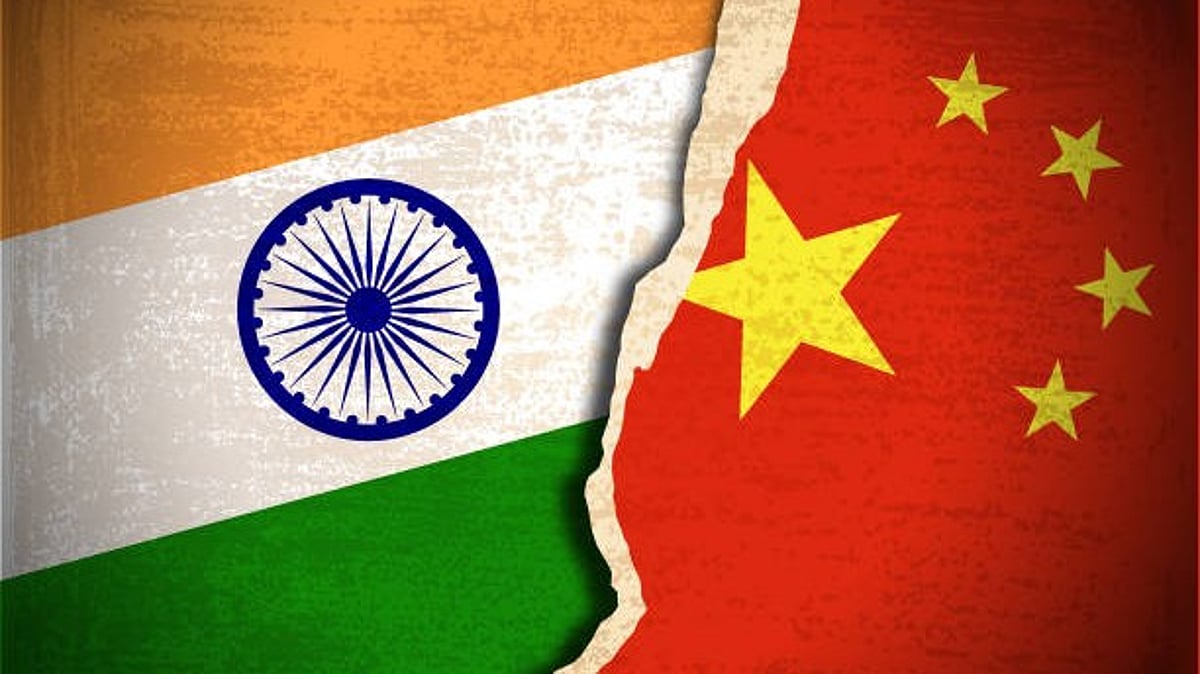
China and Bhutan have just held another round of boundary talks in Thimphu, and New Delhi is watching closely. Beijing's push to move the negotiations faster, along with its military activity near the Line of Actual Control in Arunachal Pradesh, has raised alarm over what happens on the Doklam Plateau.
A Chinese delegation travelled to the Bhutanese capital for the 16th meeting of the expert group on the boundary issue. Officials also held the fourth meeting of the joint technical team on delimitation and demarcation. A joint statement called the discussions "friendly, candid and constructive" and said both sides would build on the momentum of the 2021 memorandum on a three-step roadmap to speed up the talks.
The stakes are large. The dispute covers about 764 sq km: 269 sq km in western Bhutan and 495 sq km in the north-central region. In 2020, China also claimed the Sakteng Wildlife Sanctuary in eastern Bhutan, and Bhutan rejected that claim. The two sides held 24 rounds of talks until August 2016, then went quiet after the 72-day India-China stand-off at Doklam in 2017. They restarted with a meeting in Kunming in April 2021 and signed the roadmap memorandum on October 14 that year.
India's worry, according to sources, is a trade-off. Thimphu could come under pressure to give up its claims near Doklam in western Bhutan, and China might then scale back its claims in the north-central region. That would put the whole plateau and its surroundings in Chinese hands.
Here is why that matters. The Siliguri Corridor is the narrow strip of land that links India's northeastern states to the rest of the country. The 2017 stand-off began when Indian troops stopped Chinese forces from extending a road toward the Jampheri Ridge, near the India-Bhutan-China tri-junction. The ridge gives commanding height and artillery range. Control of it would give the People's Liberation Army a line of sight over the corridor and make it easier to rehearse moves to block it.
Bhutan has long said the Doklam question must be settled in three-way talks with India and China, because the area sits at the tri-junction. That fits a 2012 India-China understanding that tri-junction disputes involving third countries be resolved trilaterally. Delhi's own stance with Beijing has also shifted. In the last two rounds between Ajit Doval and Wang Yi, India moved away from its two-decade preference for a comprehensive settlement and agreed to explore an early-harvest deal on the easier stretches. On August 25, the two governments agreed to set up a joint expert group on an "early and substantial harvest" of boundary delimitation. That has unsettled Thimphu.
Read the full original report at Deccan Herald.