Ashwini Vaishnaw says government will hear editors on DPDP Act press freedom fears
After the Supreme Court sought the Centre's reply, the minister invited newsrooms to share suggestions on the data protection law.
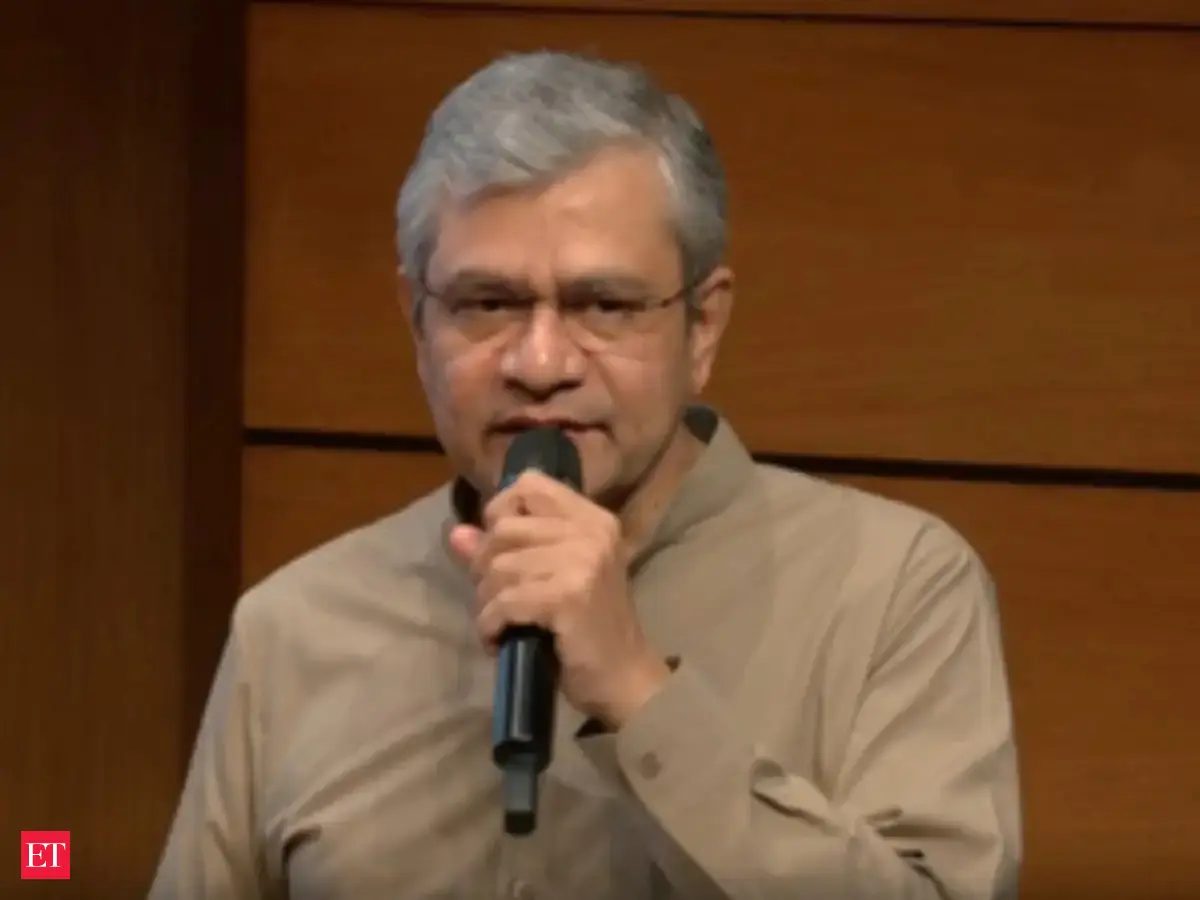
Union minister Ashwini Vaishnaw said on Wednesday that the government is ready to hear news organisations out on the Digital Personal Data Protection (DPDP) Act, and will act if doubts about press freedom remain. He invited editors to submit their suggestions.
Vaishnaw, who holds the information and broadcasting, electronics and IT, and railways portfolios, said the Constitution guarantees journalistic freedom and the government has no intention of affecting it. He pointed out that the Supreme Court has recognised privacy as a fundamental right, and Parliament has now turned that into law.
His remarks followed a Supreme Court move a day earlier. The court asked the Centre to respond to petitions arguing that the Act undermines press freedom and weakens the Right to Information Act, 2005, the tool citizens use to seek records from public authorities.
One petitioner is the Digital News Publishers Association (DNPA), which says neither the Act nor its rules exempt journalistic work. In its view, that gap could hamper news reporting and investigative journalism. The group represents 21 publishers, among them outlets linked to Mukesh Ambani and Gautam Adani, ABP, Zee Media, Times Internet, The Hindu and Indian Express. It also notes that the European Union, Singapore and Britain build specific journalism exemptions into comparable laws.
Vaishnaw said newspapers and channels took part in the consultation on the law, and that it was explained clearly that the DPDP Act does not hurt press freedom. Unnamed government sources said changes are possible to "hardcode" that protection, potentially through a carve-out for journalistic activity.
Why it matters: the law governs how personal data is handled, and reporters routinely work with names, records and documents about people. Without a clear exemption, publishers fear that routine newsgathering could be exposed to legal risk. The Supreme Court will hear the matter next on November 17.
Read the original report here.