Sports2 min
Andy Murray's Business Portfolio: From Castore Sportswear to Padel Courts
The three-time Grand Slam champion has spent years building stakes in sportswear, startups, padel and hospitality, long before he retired.
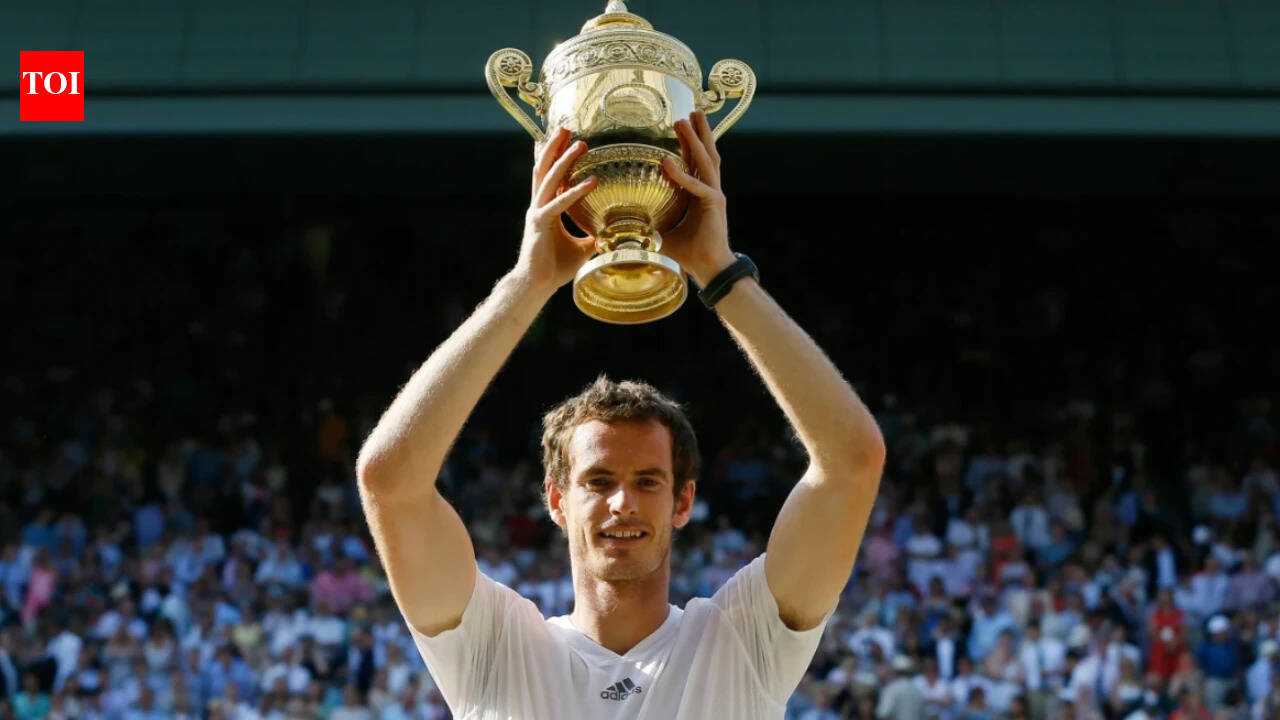
Sir Andy Murray is best known for three Grand Slam titles, two Olympic singles gold medals and a spell at world No. 1. Off the court, he has been quietly building a business portfolio that stretches across sportswear, technology, padel and hospitality. That work started while he was still competing at the top of the game, not after he hung up his racket at the 2024 Paris Olympics.
His first real step into business came in 2015, when he teamed up with the equity crowdfunding platform Seedrs. He said he was drawn to young British startups, especially those linked to sport, health and wearable technology. That interest grew into a mix of investments that now cover several industries, rather than a single side project.
The most visible piece is his relationship with Castore, the British performance sportswear brand founded by Tom and Phil Beahon. Murray backed the company early and worked with it on AMC, a tennis apparel collection built around his own career on tour. It is a neat fit: a famous player lending his name and experience to a homegrown brand trying to make its mark in performance clothing.
Beyond sportswear, coverage of his investments points to startups in employee benefits, financial technology, digital advertising and health services. Companies named in reports include Perkbox, WeSwap, Landbay, Adludio and ZoomDoc. Not every stake is publicly documented, though, so it is hard to say which holdings remain active or how they are performing.
Padel is another area where his sporting background shows. The racket sport mixes elements of tennis and squash, and it has been growing fast around the world. Murray has been linked to businesses that install courts at partner venues and earn money from bookings, a model that can make the sport easier to access while giving operators a sustainable revenue stream. He is also connected to the Hexagon Cup, a team padel competition, through Team AD/vantage.
The bigger lesson is about diversification. Early-stage companies can grow fast, but they can also fail or lose value, and a reported investment does not prove that Murray still holds a stake or how much he has made from one. There is also no single verified figure for his total wealth. Reports vary, and any net worth number should be read as an estimate. His portfolio is best seen as a set of business bets, not a guaranteed income stream.
For fans and aspiring founders alike, the story shows how an athlete can use a public profile and long-term thinking to build a business life that outlasts a playing career. You can read the original report here: Times of India.